
Introduction
A fire safety inspection is carried out to check whether premises are being managed safely and whether the Responsible Person is meeting their legal duties. In England and Wales, these duties mainly come from the Regulatory Reform (Fire Safety) Order 2005. The Responsible Person must carry out and review a fire risk assessment, put fire safety measures in place, plan for emergencies, maintain precautions, and provide staff with fire safety information and training.
Understanding the Purpose of an Inspection
A fire safety inspection is not just a paperwork exercise. Inspectors may look at the condition of the building, escape routes, fire doors, alarms, emergency lighting, firefighting equipment, housekeeping, staff training, and management records. The aim is to confirm that fire risks have been identified and controlled, and that people can safely evacuate if a fire occurs. Fire and rescue authorities have enforcement powers and may take action where serious breaches are found.
Review the Fire Risk Assessment
Before an inspection, the Responsible Person should check that the fire risk assessment is current, accurate, and suitable for the premises. The assessment should identify fire hazards, identify people at risk, evaluate and reduce risks, record findings, plan emergency arrangements, provide staff training, and set review dates. The assessment should reflect the building as it is now, not how it was months or years ago. Any changes to layout, staffing, storage, equipment, occupancy, or work activities should be included.
Check Escape Routes and Fire Doors
Escape routes should be clear, clearly signed, well lit, and available for immediate use. Final exits should open easily and should not be locked, blocked, or obstructed. Fire doors should close properly, not be wedged open, and should have suitable seals, hinges, and self-closing devices where required. Corridors, stairways, and communal areas should be free from combustible storage and trip hazards. These are common areas inspectors are likely to check because they directly affect safe evacuation.
Inspect Fire Safety Equipment
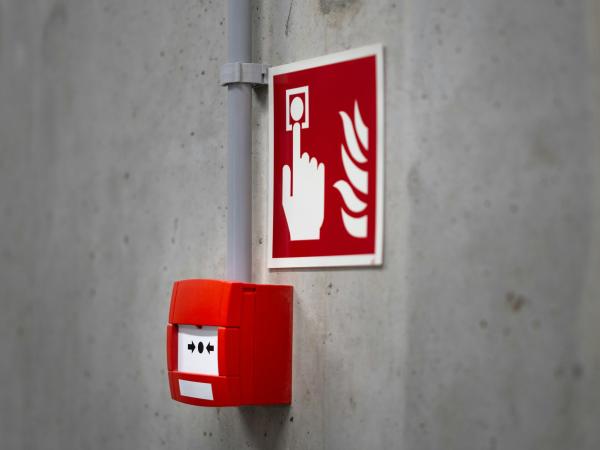
Fire alarms, emergency lighting, extinguishers, sprinkler systems, smoke control systems, and other fire safety measures should be inspected, tested, and maintained. Service records should be available and up to date. Any defects should be recorded, reported, and repaired promptly. The Responsible Person should also ensure that extinguishers are correctly positioned, accessible, suitable for the risks present, and not damaged or missing.
Prepare Your Records
Good records help show that fire safety is being actively managed. Before an inspection, gather the fire risk assessment, action plans, alarm test records, emergency lighting test records, extinguisher service reports, fire drill records, staff training records, maintenance certificates, and records of defects or remedial work. Documents should be organised so they can be provided quickly if requested by an inspector.
Train Staff and Confirm Procedures
Staff should know what to do if the alarm sounds, how to raise the alarm, where to assemble, and who has specific fire safety duties. Fire marshals should understand their role and any evacuation arrangements for visitors, contractors, disabled people, or vulnerable occupants. Training should be refreshed when procedures or risks change. Fire drills should be carried out periodically and used to identify weaknesses in the evacuation plan.
Address Outstanding Actions
Before the inspection, review previous fire risk assessment actions, maintenance defects, and any earlier advice from fire authorities or contractors. Outstanding actions should either be completed or supported by a clear plan showing what will be done, by whom, and by when. Inspectors are likely to look more favourably on premises where risks are understood and actively managed.