
Introduction
The Regulatory Reform (Fire Safety) Order 2005 is a key piece of fire safety legislation applying mainly to non-domestic premises in England and Wales. It replaced the older fire certification system under the Fire Precautions Act 1971 with a risk-based approach. The Order places responsibility on those who control premises to assess fire risks and take suitable precautions to protect employees, visitors, contractors, and other relevant persons.
Scope and Definitions
The Order applies to most non-domestic premises, including workplaces, shops, offices, schools, hospitals, communal areas of residential buildings, and premises used by the public. The central duty-holder is the “responsible person,” usually the employer, occupier, owner, landlord, or person with control of the premises. The Order also extends duties to others who have control over parts of premises or responsibility for maintenance, repairs, or safety systems.
Responsible Person’s Duties
The responsible person must take general fire precautions to ensure, so far as reasonably practicable, the safety of employees and to ensure that premises are safe for other relevant persons. This includes preventing fires, limiting the spread of fire and smoke, providing safe escape routes, and ensuring suitable emergency procedures are in place. The responsible person must also consider people who may be especially at risk, such as young persons, disabled people, lone workers, or members of the public unfamiliar with the premises.
Fire Risk Assessment
A suitable and sufficient fire risk assessment is the foundation of compliance with the Order. The responsible person must identify fire hazards, assess who may be harmed, evaluate existing precautions, and decide what further measures are needed. The assessment must be reviewed regularly and updated when there are significant changes to the premises, work activities, substances used, or layout. Where five or more employees are employed, or certain licences or notices apply, significant findings must be recorded.
Fire Precautions and Emergency Measures
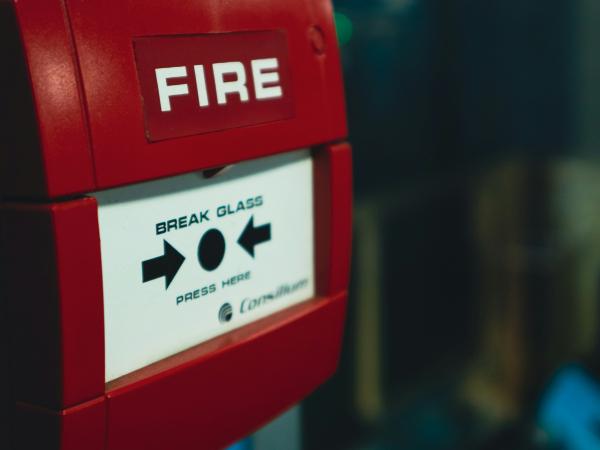
The Order requires appropriate fire detection, warning systems, firefighting equipment, emergency routes, exits, signage, lighting, and procedures for serious and imminent danger. Escape routes and exits must be kept clear and available for use. Equipment and systems provided for fire safety must be properly maintained. Where dangerous substances are present, risks must be eliminated or reduced so far as reasonably practicable, with additional control measures where necessary.
Training, Information and Co-operation
Employees must receive relevant fire safety information and training, including procedures for evacuation, use of equipment where appropriate, and action to take in an emergency. Training should be repeated periodically and adapted when risks change. Employees also have duties to take reasonable care, follow procedures, and report dangerous situations. Where several employers or duty-holders share premises, they must co-operate and co-ordinate fire safety arrangements.
Enforcement and Penalties
Fire and rescue authorities are generally responsible for enforcing the Order. Inspectors may enter premises, examine arrangements, and issue alterations notices, enforcement notices, or prohibition notices. Failure to comply can lead to prosecution and penalties, particularly where breaches place people at risk of death or serious injury.
The Regulatory Reform (Fire Safety) Order 2005 is designed to make fire safety an active, ongoing responsibility. By requiring risk assessment, prevention, training, maintenance, and emergency planning, it aims to reduce fire risks and protect all persons who may be affected by fire in non-domestic premises.