
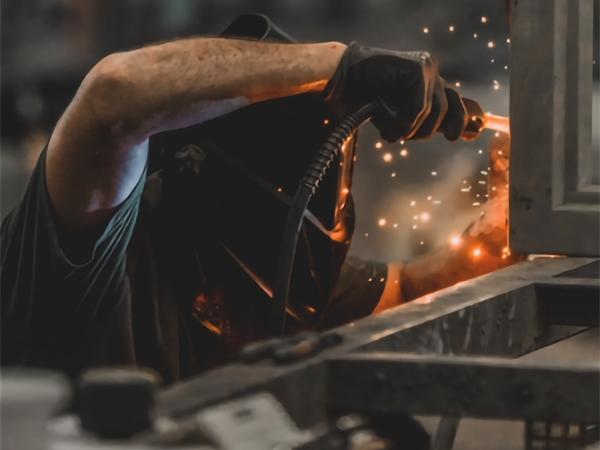
Maintenance work is an essential part of almost every workplace, whether it takes place in a factory, warehouse, office building, shop, or construction site. It helps keep equipment, systems, and buildings in safe working order. However, maintenance work can also be dangerous if it is not properly planned, supervised, and carried out. Workers may be exposed to risks such as moving machinery, electricity, hazardous substances, falling objects, or slips and trips. For this reason, it is important to understand what can go wrong and how these risks can be controlled.
Lack of Proper Training
One of the biggest risks linked to maintenance work is a lack of proper training. Workers must be trained to use tools and equipment safely and to understand the hazards connected to the job. They should also know what control measures are in place and what to do if something goes wrong. Without the right training, workers may not fully understand the dangers involved, which can lead to mistakes, accidents, and serious injuries.
Lack of Communication
Good communication is vital during maintenance work. Many maintenance tasks involve more than one worker, and sometimes different teams or departments are involved. If communication is poor, one worker may not know what another is doing, which can create serious risks. For example, machinery could be switched on while someone is still working on it, or a maintenance area may be entered without warning. Clear communication helps make sure everyone understands the task, the hazards, and the safety procedures.
Lack of Personal Protective Equipment
Personal protective equipment, or PPE, is an important part of workplace safety. Depending on the task, workers may need gloves, helmets, eye protection, hearing protection, safety footwear, or respiratory protection. If the correct PPE is not provided or worn, workers may be at greater risk of injury. Employers must provide suitable PPE where needed, and employees must use it correctly. PPE should always support other safety measures rather than replace them.
Inadequate Lockout/Tagout Procedures
Safe isolation procedures, often known as lockout/tagout, are essential during maintenance work. These procedures are used to make sure that machinery, equipment, or electrical systems cannot be started while work is being carried out. This usually involves isolating the power supply and placing a lock or warning tag on the equipment. If these procedures are not followed properly, workers could be seriously injured by unexpected movement, electric shock, or the sudden release of stored energy.
Improper Use of Tools and Equipment
The incorrect use of tools and equipment is another common cause of accidents during maintenance work. Workers must be trained to use tools correctly, check them before use, and report any faults or defects. Damaged, unsuitable, or poorly maintained equipment can easily cause injury. Safe use of tools is an important part of reducing risk and making sure maintenance work is completed safely.
Lack of Hazard Identification and Assessment
Before maintenance work begins, it is important to identify the hazards involved and assess the level of risk. This may include electrical hazards, work at height, manual handling, confined spaces, or exposure to harmful substances. Once hazards are identified, suitable precautions should be put in place. Without proper planning, workers may face dangers that could have been avoided through simple control measures.
Lack of Proper Supervision
Proper supervision is also important during maintenance work. Supervisors should make sure that workers are following safe procedures, using the right equipment, and not taking unnecessary shortcuts. Good supervision helps maintain standards, reinforces training, and ensures that safety remains a priority throughout the job.
Fatigue and Distraction
Fatigue and distraction can increase the chance of accidents. Long hours, repetitive tasks, and physically demanding work can reduce concentration and slow reaction times. Distractions from other workers, noise, or surrounding activity can also lead to mistakes. Workers should be given adequate breaks and encouraged to stay focused on the task they are carrying out.
Key Points
- Maintenance work is essential, but it can be hazardous if risks are not properly controlled.
- Common problems include poor training, weak communication, lack of PPE, unsafe isolation, misuse of tools, poor hazard awareness, lack of supervision, and fatigue.
- Employers must provide safe systems of work, training, equipment, and supervision.
- Employees must also follow safety procedures, use equipment correctly, and report hazards when they arise.
Review
In summary, maintenance work is a necessary part of many workplaces, but it must be carried out safely. Both employers and employees have a role to play in preventing accidents and injuries. By following proper safety procedures and paying close attention to risks, maintenance work can be completed in a safe, effective, and organised way.