
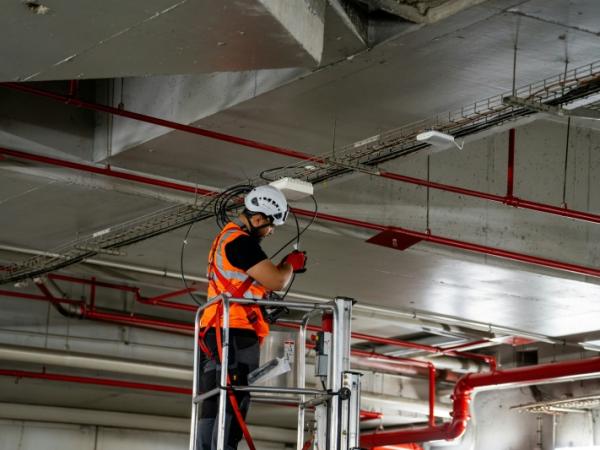
Maintenance may be planned as part of a servicing programme or required at short notice following a fault or breakdown. For organisations in Great Britain, the Provision and Use of Work Equipment Regulations 1998 (PUWER) require work equipment to be maintained in an efficient state, in efficient working order and in good repair, while maintenance operations themselves must be capable of being carried out safely.
Planning Maintenance Before Work Starts
Scheduled maintenance gives managers an opportunity to plan the work around shutdown periods, manufacturer instructions, access requirements and the competence needed for the task. HSE advises employers to plan maintenance carefully and produce a safe system of work, particularly where the work could expose maintenance staff or other people to danger.
Reactive maintenance needs the same control principles even when production or operational pressure makes the work urgent. A breakdown can introduce conditions that differ from normal operation, including failed components, unexpected movement or exposure to materials normally contained within equipment. Urgency should therefore trigger an assessment of the actual fault and work method before intervention begins.
Where possible, maintenance can be scheduled during downtime. This reduces the difficulties created when maintenance and normal operations take place together.
Making Equipment Safe For Maintenance
Plant and equipment should be made safe before maintenance starts. HSE guidance states that moving plant should be stopped and electrical and other power supplies isolated. Where there is a possibility of power being restored accidentally, machines should be locked off.
Isolation needs to consider every relevant energy source. Electrical power may be only one part of the problem. Mechanical, hydraulic and pneumatic energy may also require isolation, and stored energy may need to be released before work proceeds. Pressurised plant and pipelines containing gas, steam, fluids or hazardous materials can require separate isolation arrangements.
Other precautions can include supporting components that could fall, allowing hot parts to cool and preventing movement of mobile plant. The required controls should come from the hazards presented by the equipment and the work being performed.
Controlling Access And Work Around Maintenance
Maintenance can expose people who are not carrying out the repair. Work areas may need barriers, signs or other measures to prevent employees and contractors entering areas where maintenance creates additional risk. Safe access and a safe place of work also need to be provided for those carrying out the task.
This becomes more demanding when maintenance takes place during normal production. Managers should consider how the maintenance activity interacts with surrounding operations and whether shutting down or separating the work provides better control.
A permit-to-work system may be appropriate for higher-risk work involving electrical or mechanical isolation, hot work, vessel entry or other activities needing formal control. A permit defines the authorised work, precautions and responsibilities, but it does not make the task safe by itself or replace risk assessment.
Matching Competence To The Maintenance Task
Maintenance should be carried out by people who are competent for the work and have sufficient information, instruction and training. HSE notes that complex or higher-risk equipment may require a manufacturer or specialist contractor, while other work can be undertaken in-house by suitably trained staff.
For electrical equipment, machinery and installations, competence should reflect the complexity of the work. HSE identifies appropriate training, experience of similar work and reassessment as evidence relevant to determining whether a person is suitable for a task.
Maintaining Equipment And Detecting Deterioration
PUWER requires work equipment to remain in an efficient state, efficient working order and good repair. Where deterioration could lead to a dangerous situation, inspection is required so faults can be identified in time to manage the risk. Maintenance logs must also be kept up to date where machinery has such a log.
Reporting arrangements should allow workers to raise faults and damaged equipment. Reports should then lead to appropriate action before unsafe equipment returns to use.
Common Compliance Gaps
Maintenance controls can fail when breakdown pressure leads to intervention before isolation is complete, when stored energy is overlooked or when work starts without a clear method. Other weaknesses include allowing people without suitable competence to undertake specialist repairs, poor separation between maintenance and normal operations, and failing to act on reported faults.
Manager Checklist
- Identify planned and reactive maintenance tasks that can expose workers or others to danger.
- Confirm that each task has an appropriate safe system of work.
- Check that electrical, mechanical, hydraulic and pneumatic energy sources can be isolated where required.
- Verify that stored energy, pressure, heat and unsupported components are controlled before intervention.
- Match the person carrying out the work to the competence required for the equipment and task.
- Separate maintenance from normal operations where simultaneous working would increase risk.
- Confirm that equipment defects are reported, assessed and dealt with before unsafe use continues.
- Review maintenance records and inspections for equipment where deterioration could create danger.
Frequently asked questions
Does PUWER require employers to maintain work equipment?
Yes. Work equipment must be maintained in an efficient state, in efficient working order and in good repair.
Should machinery always be isolated before maintenance?
HSE advises that most maintenance should be carried out with power off. Machinery should be isolated or locked off where needed to prevent unexpected movement or reconnection.
Can maintenance be carried out during normal production?
It can create additional coordination risks. HSE advises using downtime where possible so maintenance and production work do not have to be managed at the same time.
Is a permit-to-work required for every maintenance job?
No. Normal instructions and procedures are sufficient for many activities. Formal permits may be appropriate where work needs tighter control, including some tasks involving isolation, hot work or vessel entry.